01Platform outcome
Modern foundation
React, GitHub, and a shared design system replaced the Flash-era development base.
Client case study
A sophisticated tax product was stalled on Flash. The migration combined React, a design system, modern version control, and team process so engineers could move again.
A team of about ten engineers moved onto a modern product and delivery foundation.
Situation and responsibility
An enterprise tax platform with substantial domain logic and real customers still ran on Macromedia Flash as that platform reached end of life.
The goal was not a greenfield rewrite. The technology needed to change while institutional knowledge and tax-compliance workflows survived the transition. Tooling and team cadence also needed to support a migration of this size.
Important decisions
Each response follows from an observed condition. The last column marks the tempting shortcut the work needed to avoid.
| What you notice | What it may mean | A useful response | What to resist |
|---|---|---|---|
| Feature work was fighting an end-of-life platform. | The foundation—not the team's ability—was the bottleneck. | Move to React with reusable interface primitives. | Do not treat the work as a cosmetic reskin. |
| A ten-person team was collaborating through CVS. | Migration speed depended on modern development infrastructure. | Scaffold the environment and move collaboration to GitHub. | Do not postpone tooling until after feature delivery. |
| Priorities and blockers lacked a shared cadence. | A new codebase alone would not unblock delivery. | Add backlog grooming and regular 1:1s alongside technical work. | Do not impose ceremony without a coordination purpose. |
Decisions and delivery
Separate constraints caused by the legacy platform from the valuable knowledge embedded in the product.
Create the design system, React environment, CSS architecture, and GitHub workflow.
Pair technical infrastructure with the communication habits a larger team needed.
Give engineers a foundation that could support new product work instead of resisting it.
Working through a similar constraint?
Describe the problem →Visual evidence
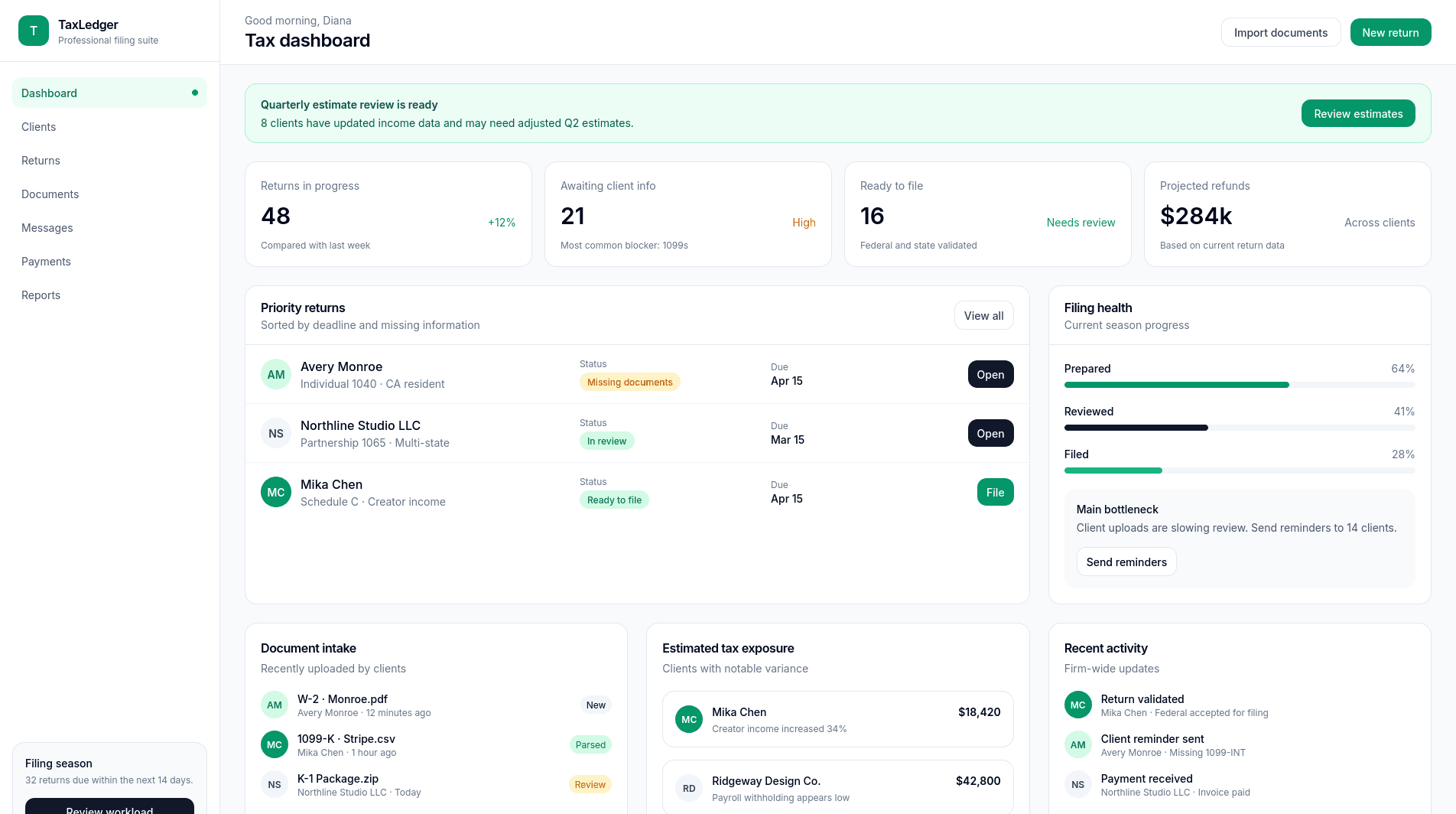
This project has one approved image in the archive. It is shown at full scale without implying a larger undocumented gallery.
Supported outcomes
Quantitative claims appear only where the repository provides them. The remaining outcomes are explicitly qualitative, operational, or statements of responsibility.
React, GitHub, and a shared design system replaced the Flash-era development base.
The wider team could build against reusable components and contemporary collaboration tooling.
Backlog grooming and 1:1s made priorities and blockers more visible.
If a valuable product is trapped on an aging foundation, describe what has to survive the move.
Describe a similar problem →