The business needs product leadership, but not a full-time hire
You need one senior person to connect business goals, customer needs, product decisions, and engineering priorities.
Leadership / Fractional product leadership and technical delivery
PixelsWithin gives an established business one senior counterpart for product direction, UX, architecture, and hands-on engineering—without requiring a full-time executive hire or a handoff to a junior delivery team.
Important product decisions have no clear owner
Senior product judgment stays inside the build
Direction and delivery remain coherent
Recognize the situation
You need one senior person to connect business goals, customer needs, product decisions, and engineering priorities.
There may be a rough brief, an early prototype, or a persistent operational problem—but no clear scope or technical plan yet.
The work needs someone who can set direction, design the system, build it, and keep improving it after launch.
A useful distinction
Choose this when the missing capability is accountable product and technical leadership across an evolving body of work.
Choose custom software development when the product is already sufficiently defined and the primary need is the build itself.
I will not manufacture a roadmap, team structure, or technology program before the business problem is understood.
A service-specific engagement
Discover and define the product: I learn the business, users, constraints, and riskiest assumptions, then turn them into a focused product definition and practical sequence of work.
Turn the evidence into a clear user, outcome, product boundary, risky assumptions, and first practical scope. I learn the business, turn an unclear opportunity into a product direction, and make the technical decisions needed to deliver it.
Choose an architecture that fits: I make the technical decisions around data, integrations, security, hosting, and ownership without overbuilding for a future that has not arrived.
Deliver the work hands-on: I design and engineer the product directly, keeping feedback close to implementation so important context is not lost in a handoff. Diana remains your direct product and engineering counterpart.
Keep learning after launch: Once the product is in use, I maintain it, fix what needs attention, and help decide what is worth improving next.
Founder product evidence
Diana held product, design, software, ecommerce, publishing, and retail decisions together instead of treating them as separate departments.
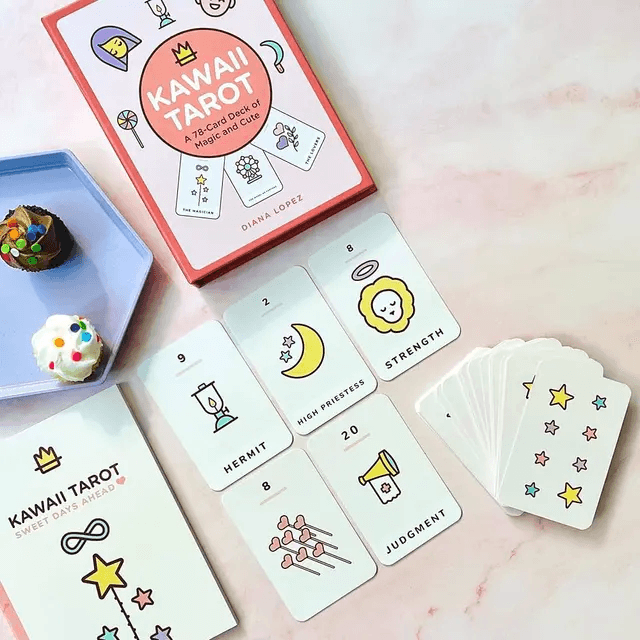
A consumer app needed to become a coherent product and viable business across digital and physical forms.
Treat the app, brand, commerce, publishing, and customer experience as one product system.
Ways to start
Start with a small fixed-price discovery, then continue month to month if the fit and direction are right.
Define the product, important flows, technical approach, and recommended plan. The fee is credited to your first month if you continue.
Fractional product leadership and hands-on delivery with source-code ownership from the start.
The same ongoing product and engineering partnership at a lower monthly cost while PixelsWithin owns and manages the code.
Design, development, launch, maintenance, fixes, and product decisions continue in one month-to-month engagement.
A visible commercial path
Clarify the problem, users, flows, technical approach, risks, and useful first scope before making a larger commitment.
PixelsWithin owns and manages the source code while you receive direct product thinking, design attention, and engineering care.
Your business owns the custom source code, making future transfer or internal stewardship straightforward from the start.
The difference is ownership—not attention.
See all pricing and ownership termsProof and working model
Useful proof connects the visible output to the judgment and operating consequence behind it.
Throughout the engagement, you work directly with Diana—the product and engineering counterpart making the decisions and implementing them.
“She seemed to effortlessly understand what it was that we were looking for. She took our ideas and made them better.”
users reached by a founder-led product. See the evidence.
Product direction, UX, architecture, engineering, launch, and ongoing decisions do not disappear into a handoff.
Verified reviews consistently describe responsiveness, quality, understanding, and ideas made better. Read the reviews.
A fractional product lead gives a business senior product direction on a part-time, ongoing basis. I connect business goals, user needs, product scope, and engineering decisions—then stay involved in delivery instead of stopping at a roadmap.
The terms overlap. Fractional CTO is the more familiar title when architecture, engineering, vendors, security, and technical risk are central. Fractional product lead better describes my combination of product definition, design, technical leadership, and hands-on software delivery.
It fits established businesses and small teams that need senior product and technical ownership but do not need, or are not ready to hire, a full-time product executive and engineering team.
I build it too. The engagement can cover discovery, product definition, experience design, architecture, engineering, launch, maintenance, and ongoing iteration without a strategy-to-engineering handoff.
Product Discovery is $500 and is credited toward the first month if you continue. Ongoing work is $6,000 per month when you own the source code from the start, or $3,000 per month for managed software where PixelsWithin owns and maintains the code. Both options are month to month.
A useful beginning does not require a finished brief