PixelsWithin

Product design & development services

Custom software services shaped around how your business works.

PixelsWithin is Diana Lopez’s Los Angeles product design and development studio for established businesses, nonprofits, and product teams. Diana works directly from an unfinished problem through product direction, UX, architecture, custom software development, integration, launch, and ongoing improvement.

15+ years
shaping and shipping products
100K+
app users reached
$500K+
retail sales
5.0 / 8
Clutch rating and reviews
$500
Product Discovery

Start with what is going wrong—or what has not taken shape yet.

Start with the human task and the cost of error. A useful AI product has a defined source of truth, review point, privacy boundary, and outcome—not merely a model attached to an interface.

Fractional leadership connects business priorities to product scope, architecture, engineering tradeoffs, and delivery. Diana remains accountable after the recommendation is made.

All ten active services

Choose a family once the problem is clear.

These are different starting points, not isolated departments. Product direction, experience design, architecture, application development, systems integration, and delivery stay connected.

01 / Create something new

Product and application development

02 / Change without losing continuity

Modernization

03 / Return attention to the team

Operations

04 / Put senior judgment close to delivery

Leadership

You can bring the spreadsheet, the screenshots, the workaround, or the idea.

Describe the problem

How the engagement works

The person who understands the operation stays with the build.

  1. 01

    Understand the operation

    Diana learns the official process and the workarounds around it: the duplicate entry, exception, customer question, spreadsheet, and judgment call. An incomplete brief is acceptable.

  2. 02

    Define the product

    Turn what we learn into a clear user, business outcome, product boundary, risky assumption, and first coherent release.

  3. 03

    Design the experience and architecture

    Shape the flows, interface, data, permissions, integrations, and technical boundaries together so the experience and system tell the same story.

  4. 04

    Build and integrate

    Diana remains the direct product and engineering counterpart while decisions become working software connected to the tools and data the business depends on.

  5. 05

    Launch and improve

    Release carefully, observe real use, maintain the foundation, and choose the next improvement from better evidence than the project had at the beginning.

See the complete approach

Stories from the work

The service becomes clearer when you can see what changed.

Each engagement began with a different visible request. The story is in the operational condition underneath it, the decisions made along the way, and what became possible after launch.

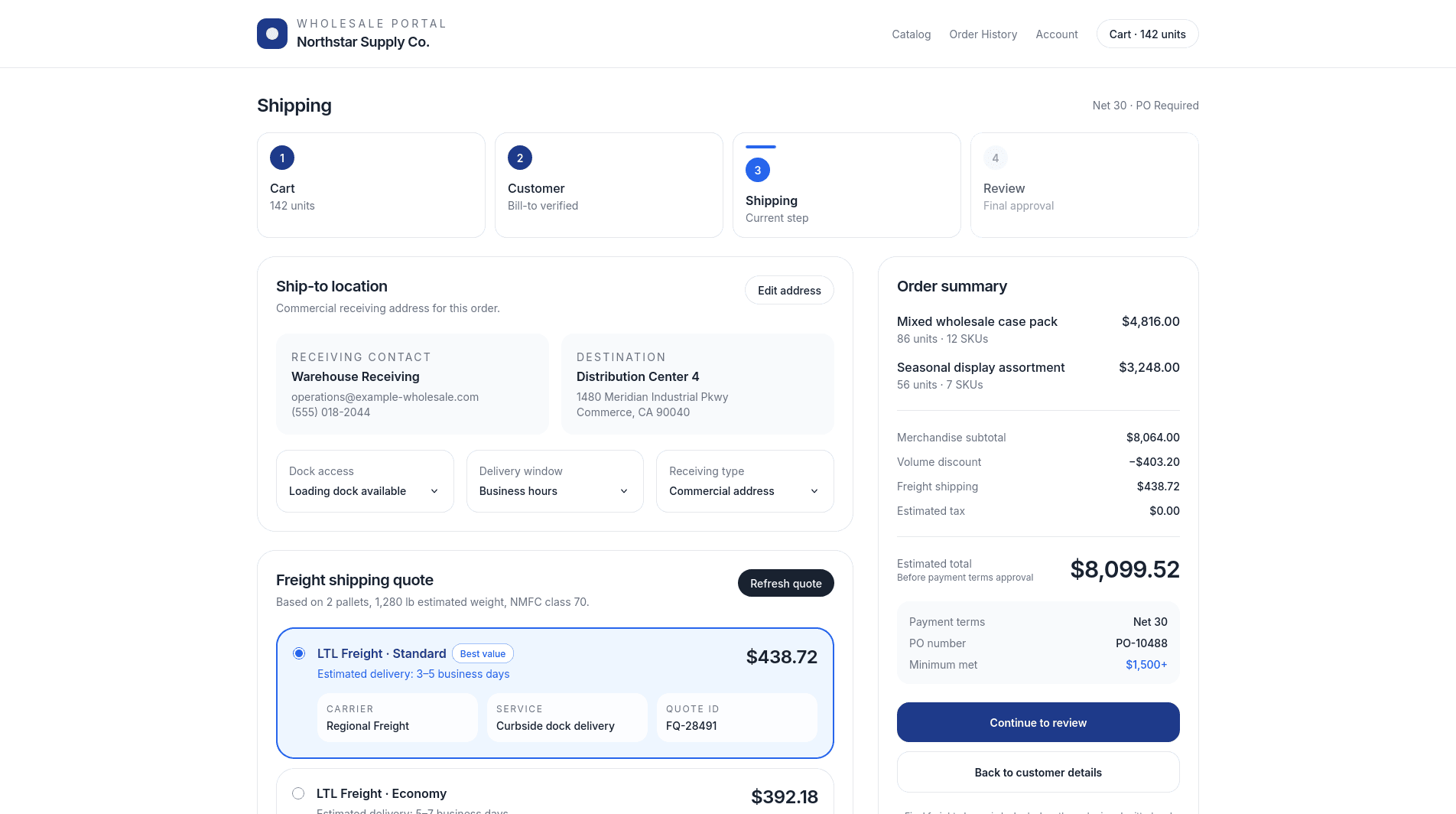
Freight integration case study showing an ecommerce checkout and carrier rate connection01

Manufacturing / integration

The order kept dying at the freight line.

Institutional buyers worked from fixed budgets, but the Magento checkout could only guess at freight. A custom bridge to the carrier replaced the estimate with a rate buyers could trust—and the complaint stopped.

Read how the integration removed the checkout barrier
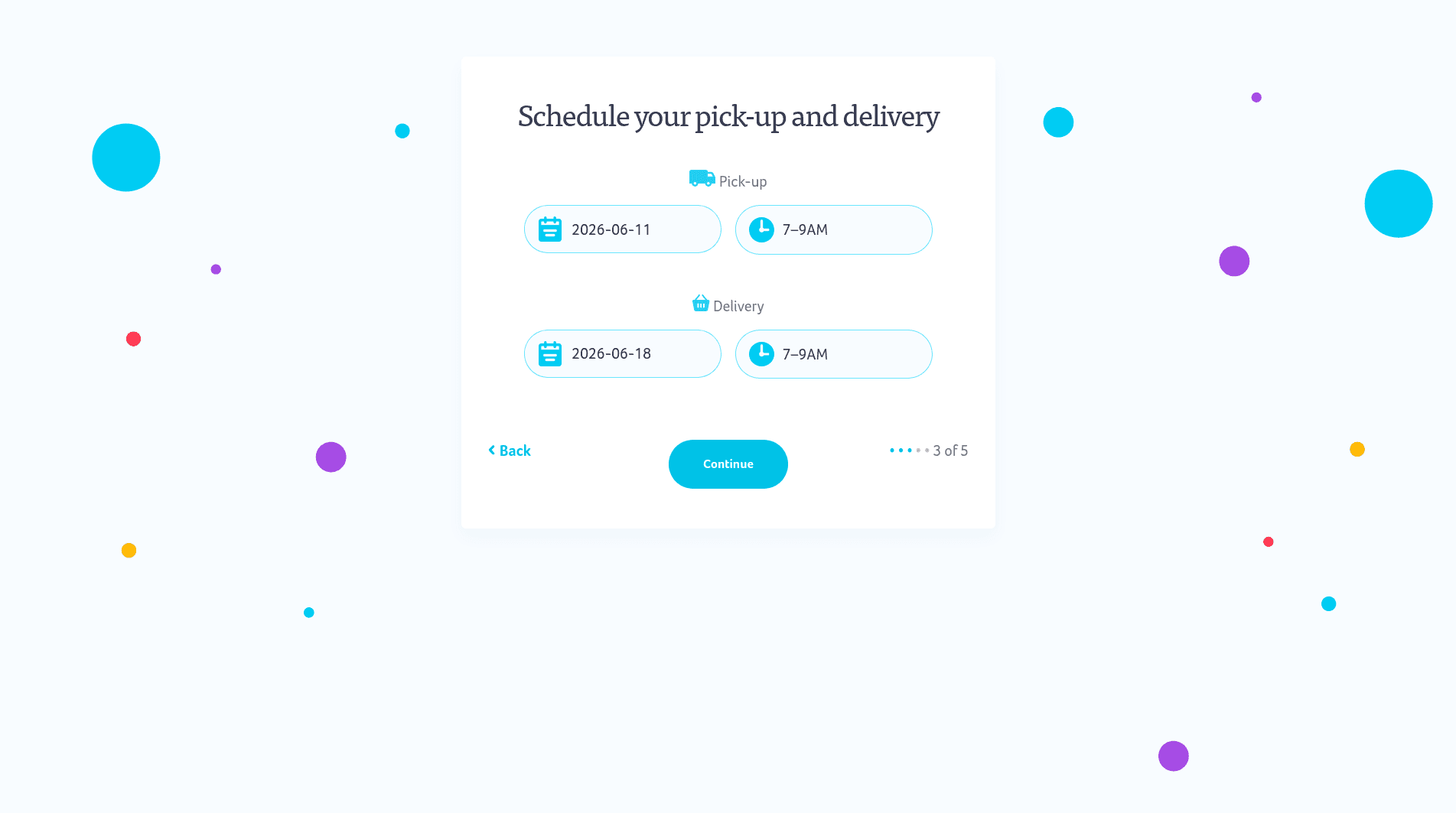
Laundry delivery platform case study with booking and route-management screens02

Service operations / modernization

The old site described a business that no longer existed.

Laundry pickup had grown into routes, two-part bookings, driver assignments, notes, and order states. Rebuilding around that real operation gave the owner control—and made booking clear enough to bring in new orders immediately.

Read how the platform was rebuilt around the operation
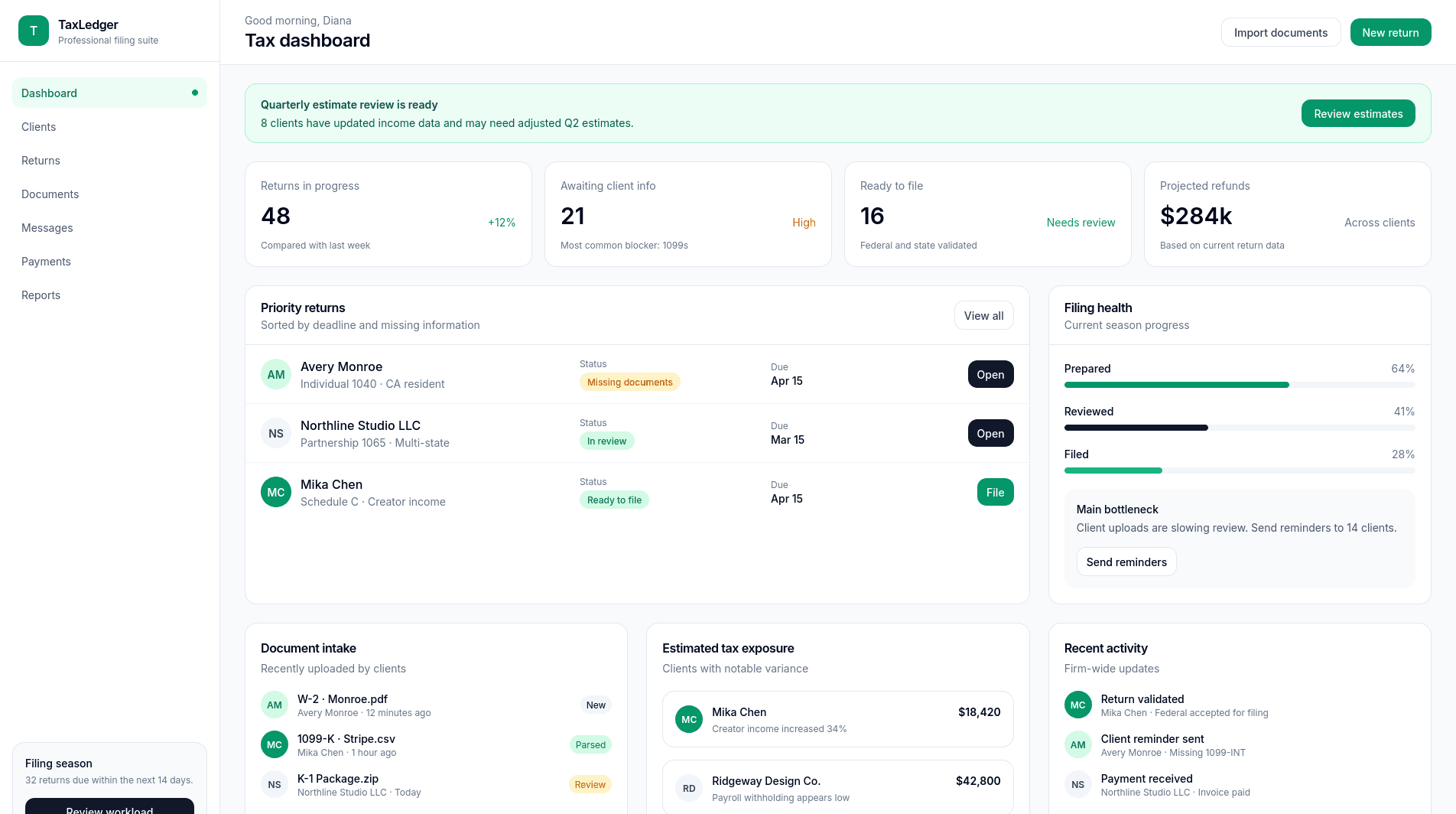
Tax platform modernization case study showing the enterprise application interface03

Enterprise / product engineering

The team was not the bottleneck. Flash was.

An enterprise tax platform had reached the limits of an end-of-life foundation. The migration to React joined interface modernization with better tooling and a clearer engineering cadence for a ten-person team.

Read the enterprise modernization story
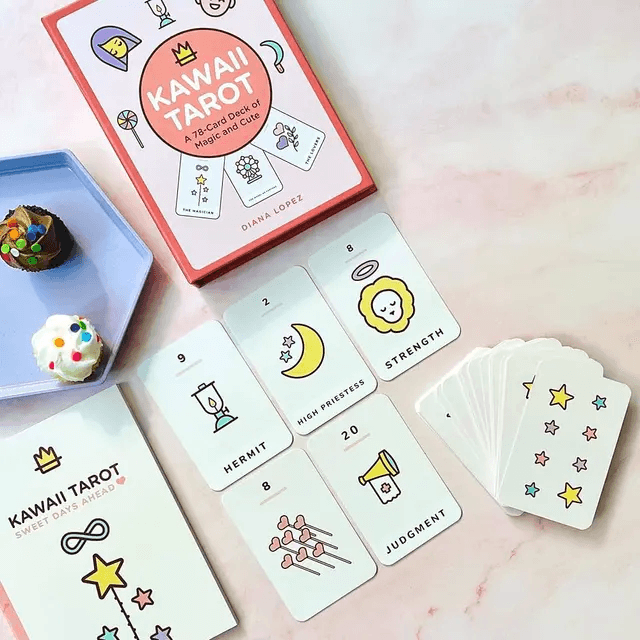
Cute Tarot mobile product, cards, and retail packaging04

Consumer product / founder experience

An app became a business people could find in stores.

Cute Tarot grew across mobile apps, ecommerce, publishing, and retail distribution. More than 100,000 app users and $500,000 in retail sales came from treating product, brand, technology, and commerce as one system.

See the Cute Tarot product story
See all selected work

Named work and attributable outcomes

Evidence from products and operations that had consequences.

PixelsWithin’s experience spans consumer products, operational systems, complex integrations, and enterprise modernization.

The useful proof is not a screen by itself. It is what became easier, safer, clearer, or commercially possible after the work shipped.

IntegrationManufacturing

The freight complaint stopped.

A custom Magento extension replaced unreliable shipping estimates with real carrier rates. Institutional buyers could complete orders, and the recurring complaint disappeared. Read the freight integration case study.

ModernizationLaundry delivery

The software began matching the operation.

A legacy platform became a custom system for dual booking slots, order status, route mapping, driver assignments, notes, and gratuities. The clearer customer experience produced an immediate influx of orders. Read the laundry platform case study.

EnterpriseTax software

Flash became React—and the team changed with it.

Diana helped migrate an enterprise tax platform from end-of-life Flash to React while improving its tooling and engineering cadence. Read the tax platform case study.

Product + business100K+ users / $500K+ sales

Cute Tarot became a product ecosystem.

Diana created the apps, publishing, ecommerce, and retail experience as one connected product. The apps reached more than 100,000 users and the brand generated more than $500,000 in retail sales. See Cute Tarot in the work archive.

Verified clientsEight reviews

5.0 on Clutch.

Eight verified client reviews describe responsiveness, understanding, quality, and product thinking that improved the original request. See the work and client evidence.

See more selected work

A deliberately close working model

Best for teams with something real at stake.

PixelsWithin is a strong fit for established businesses, nonprofits, and product teams with consequential workflows: operations people depend on, customer experiences tied to trust or revenue, or software whose failure creates more than inconvenience.

You do not need a polished specification. You do need access to the people who understand the work and room for the answer to improve as Diana learns.

This is not generic staff augmentation or unquestioning feature production. Diana examines the request, challenges assumptions, makes product and technical decisions, and stays responsible for implementing them.

A visible commercial path

Start small. Choose ownership clearly.

Start here$500

Product Discovery

Clarify the user, problem, flows, technical approach, risks, and recommended first scope before making a larger commitment.

Month to month$3,000/month

Managed software

PixelsWithin owns and manages the source code while you receive the same direct product thinking, design attention, and engineering care.

Month to month$6,000/month

Client-owned software

Your business owns the custom source code, making future transfer or internal stewardship straightforward from the start.

The price difference is the ownership model—not half the attention.

See pricing and ownership in full

Questions worth answering before a call.

PixelsWithin provides product definition and UX, custom software and web application development, digital transformation, legacy modernization, workflow and business process automation, internal team tools, client portals, AI product development, and fractional product and technical leadership.

You do not have to diagnose the solution before getting in touch. Describe the operational problem, customer friction, old system, or opportunity; Product Discovery identifies the most useful response and whether it should be new software, modernization, automation, integration, or leadership.

An unfinished brief is welcome. A recurring workaround, rough concept, stakeholder request, old application, or process that no longer fits can be enough to begin. Discovery turns that evidence into a product direction and first practical scope.

Yes. Work can begin inside an existing application, codebase, database, vendor environment, or internal team. Diana maps ownership, dependencies, interfaces, and risk before deciding whether to integrate, improve, wrap, or replace anything.

The strongest fit is an established business, nonprofit, or product team with a consequential workflow. Diana has worked across healthcare, tax, payroll, media, ecommerce, manufacturing, logistics, professional services, and public-interest organizations.

Start with a fixed-price $500 Product Discovery. Ongoing work is $3,000 per month for managed software or $6,000 per month for client-owned software, billed month to month. Read the full pricing terms.

Under the $6,000 client-owned plan, your business owns the custom source code. Under the $3,000 managed plan, PixelsWithin owns and manages it. The price difference reflects the ownership model—not half the attention, judgment, or care.

PixelsWithin is based in Los Angeles and works remotely with organizations worldwide. In-person discovery is available for many Southern California engagements.

Ongoing engagements include maintenance, fixes, product decisions, and continued development. Real use replaces assumptions with evidence, so post-launch work focuses on reliability and the improvements that matter next.

A useful beginning does not need to look finished

Bring the workaround, the old system, or the idea that has not become a plan yet.

Describe the problem